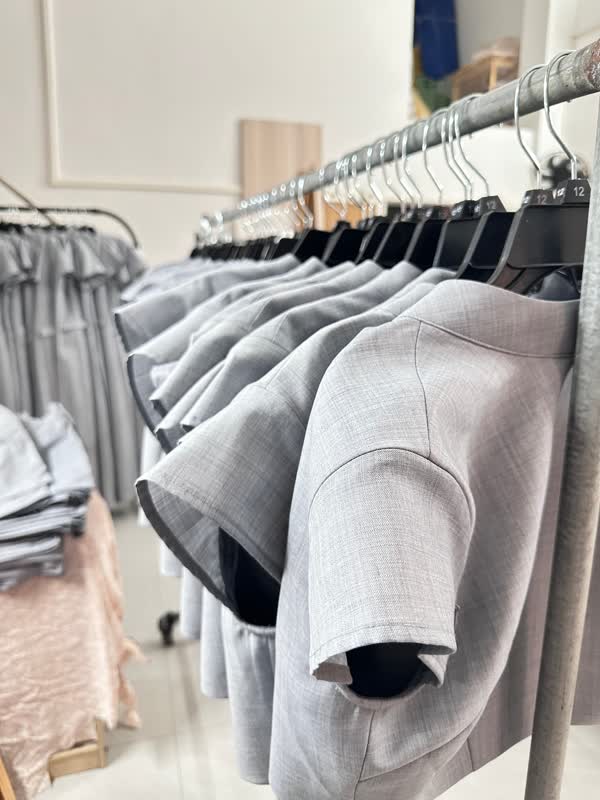
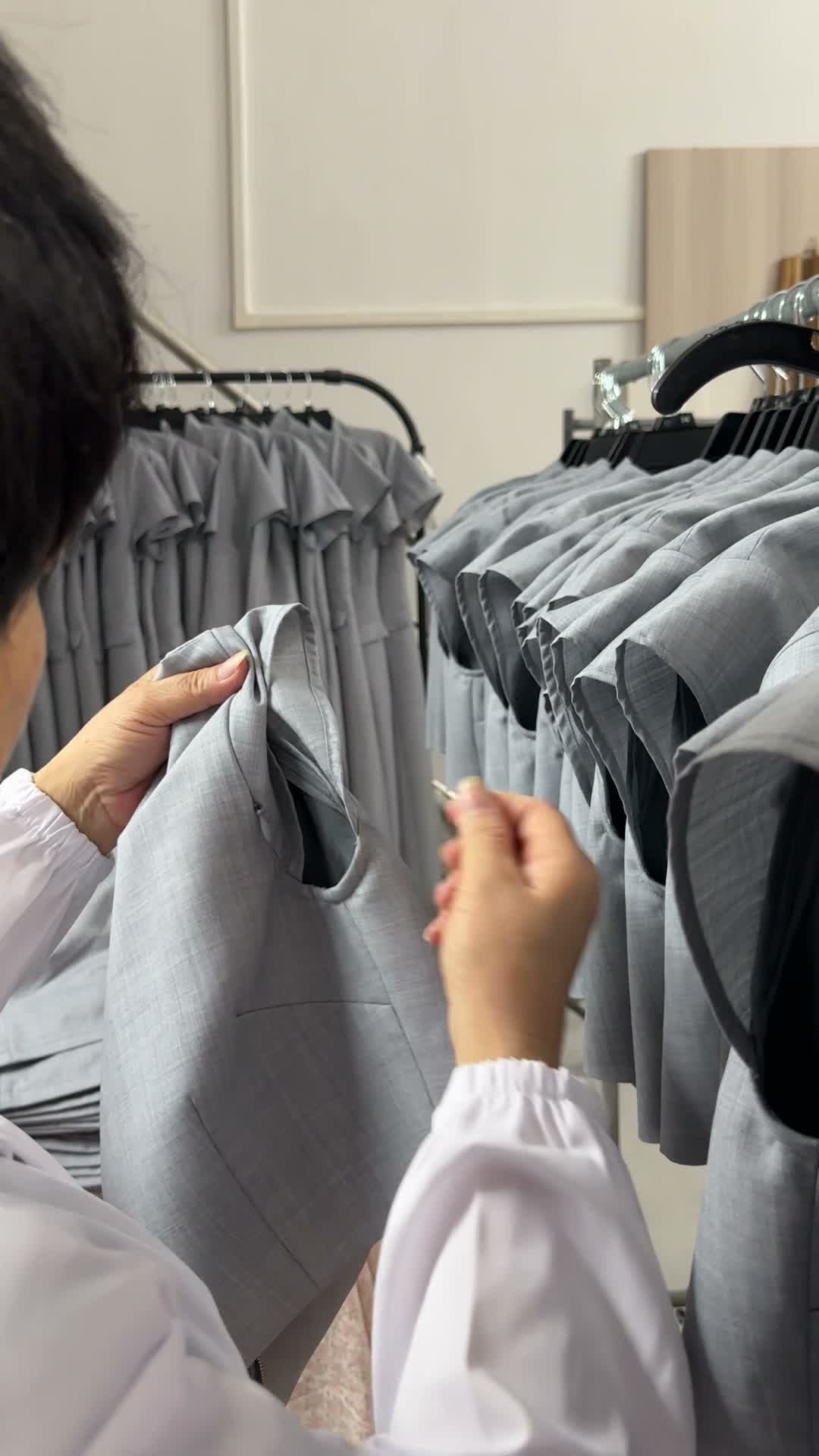
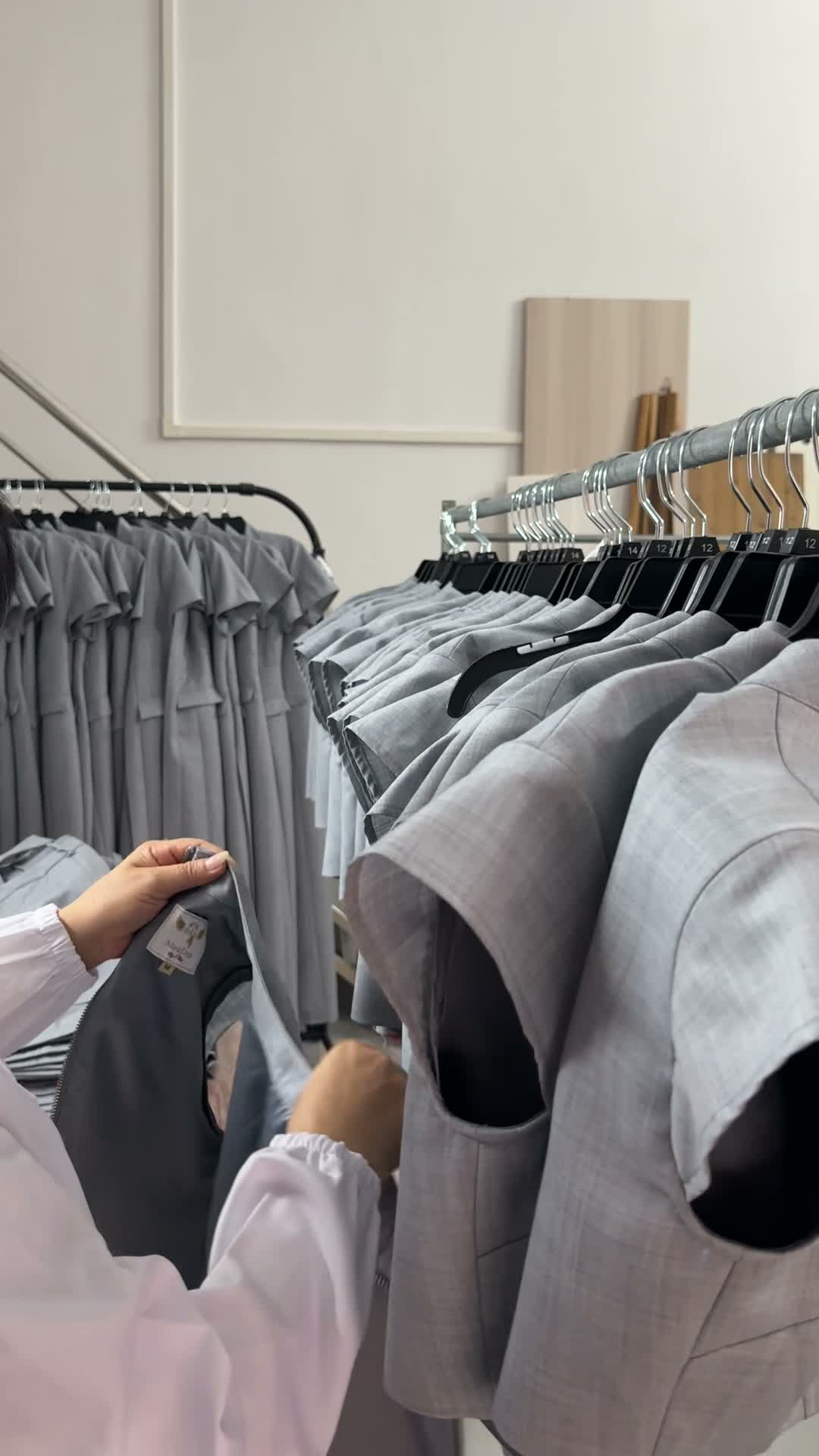
Every independent designer knows the feeling. You've sketched the collection. You've sourced the fabric swatches. You've pre-sold to three boutiques. Everything is riding on this first production run.

Then the samples arrive and the sleeves are 2cm too short. Or the factory calls: the fabric you approved three weeks ago? The bulk order came in two shades darker. Or — and this is the one that keeps designers up at night — you wash a production sample and it shrinks from a size M to something that barely fits a mannequin.

We've been on the factory floor for over two decades. We've seen these mistakes destroy collections, drain budgets, and push talented designers out of the industry. The frustrating part? Every single one of them is preventable.

Here are the five production mistakes we see most often — and exactly how ateliers like ours prevent them before a single meter of fabric gets cut.

Mistake #1: "One Round of Patterns. Ship It." — The Pattern Failure Trap

We visited a Guangdong brand a couple of years ago. They had an entire showroom — roughly 500 to 600 garments — filled with failed samples. One season. Their pattern approval rate was under 20%. Think about that: for every five samples they made, four were unwearable.

What went wrong? Shoulder lines drifted by 5mm between sizes. A V-neck facing that worked on the sample stretched out on the graded size 10. A sleeve that looked elegant on the tech drawing had zero arm mobility in real life.

The root cause is almost always the same: rushing from tech pack to production with one mock-up round. One round tells you the garment can be sewn. It doesn't tell you whether the fit works across all sizes, whether the fabric behaves consistently under tension, or whether the construction will survive a wear test.

"A pattern isn't finished when it looks right on paper. It's finished when it looks right on a live model in every size — after the second mock-up."

At UP Fashion, our standard is two to three mock-up rounds. Round one validates construction and basic fit. Round two refines sizing across the full grade — we test at the smallest, middle, and largest sizes simultaneously. If a style uses a new fabric or an unconventional cut, we do a third round. Yes, it adds 7 to 10 days. It also eliminates the risk of producing 200 pieces that don't fit anyone.

Mistake #2: The Fabric Shrinkage Disaster Nobody Tests For

Here's a scenario we've seen at least a dozen times. A designer sources a beautiful cotton-silk blend. The sample fits perfectly. Production runs 150 pieces across four sizes. The garments arrive at the boutique. A customer buys one, washes it at 30°C as the care label says — and the dress shrinks by 6%. From size M to size XS. That customer returns it. Then the next three customers do the same thing.

The factory never pre-shrunk the fabric before cutting. They didn't test shrinkage in both warp and weft directions. They didn't adjust the pattern grading to compensate. And 150 pieces of inventory became worthless.

This is not a freak accident. Cotton without pre-treatment can shrink 5% to 8% on the first wash. Silk blends behave differently depending on weave density. Even two batches of the "same" fabric from one mill can have different shrinkage rates.

We pre-shrink every fabric before it reaches the cutting table. We test shrinkage rates in both directions. We adjust pattern grading to compensate for expected dimensional change. And we provide third-party test reports when the order size justifies it. It adds one day to the timeline and saves the entire production run.

Mistake #3: "The Sample Was Perfect, But the Bulk Looks Different" — Color Drift at Scale

This one is personal. A few years ago, a European client sent us a midnight navy wool suiting — the exact fabric they'd approved at the sampling stage. The bulk order from the mill arrived ten days before cutting was scheduled to start. We put it under the spectrophotometer. The bulk fabric was 2.3 shades lighter than the approved lab dip. Under warm boutique lighting, it would have looked like a completely different garment.

Most factories don't own a spectrophotometer. They do visual color checks under one light source — usually the fluorescent tube above the cutting table — and call it done. The problem is that fabric color shifts dramatically under different lighting conditions. A navy that looks perfect under 4000K fluorescent can look charcoal under 2700K warm light, or almost black under daylight.

We check every dye lot under three light sources: D65 (daylight), TL84 (retail fluorescent), and A (incandescent/warm). If the bulk fabric deviates from the approved lab dip by more than Delta E 1.5, we stop production. We either reject the lot or — if the timeline is critical — activate our Guangzhou textile network to source an alternative mill within 48 to 72 hours. We've done it. It's not theoretical. Read our production cases for the receipts.

Mistake #4: QC That Looks Good on Paper But Means Nothing on the Floor

Every factory says they do QC. Most of them "check" garments by glancing at a rack of finished pieces under warehouse lighting. If there are no visible stains and the zipper works, it passes. That's not QC. That's wishful thinking.

Real QC for premium garments — the kind retailing at $500 to $2,000 — requires multiple checkpoints. At minimum:

We run three QC checkpoints per garment — cutting, in-line assembly, and final — plus a fit model session for every size in the range. Our DSPQ process documents every checkpoint so the designer sees exactly what was checked and when. No surprises at unboxing.

Mistake #5: Choosing a Factory That Doesn't Actually Want Your Business

This is the quietest mistake. It doesn't show up in the QC report. It shows up in the timeline that keeps slipping by a week, then two weeks, then a month. It shows up in the factory that quotes you MOQ 50 but keeps pushing you toward 300 because "that's where the line is profitable." It shows up in the communication where your questions take four days to get answered and the answer is always "don't worry, quality is fine."

Here's the hard truth: if you're an independent brand ordering 30 to 150 pieces per style, most factories see you as filler work. Something to run between the big orders. You'll get their third-best seamstresses, their leftover production slots, and their least urgent communication.

What you need is a factory where 30 pieces isn't an exception — it's the business model. Where your production cell has the same artisans who made your samples. Where the factory owner answers your WhatsApp within hours, not days.

That's not most factories. But it's the only kind worth working with.

Your Production Readiness Checklist

Before you commit to a production run, walk through this list:

  1. Mock-up rounds: Does the factory offer at least two rounds before bulk production? Will they test fit at the smallest, middle, and largest sizes?
  2. Fabric pre-treatment: Do they pre-shrink fabric before cutting? Can they provide shrinkage test data?
  3. Color verification: Do they use a spectrophotometer, or just visual checks? Do they test under multiple light sources?
  4. QC staging: Is QC done only at the end, or at cutting + in-line + final? What AQL standard do they use?
  5. Communication cadence: How often do they update you? Weekly photos? Video call walkthroughs? Or radio silence until the shipment leaves?
  6. MOQ honesty: Is the quoted MOQ their actual minimum, or will they pressure you to increase it mid-project?

Frequently Asked Questions About Production Mistakes

Q: How many mock-up rounds should an independent brand budget for?

At minimum, two. Round one proves the garment can be constructed and identifies gross fit issues. Round two validates sizing across the full grade and refines construction details. For complex garments — sequins, bias cuts, structured tailoring — budget for three. The extra $200 to $400 per round is trivial compared to the cost of a failed production run.

Q: Can a factory guarantee zero color variation between sample and bulk?

No factory can guarantee zero variation — dye lots are inherently variable. What a good factory guarantees is that the variation stays within an acceptable tolerance (Delta E ≤ 1.5), verified by spectrophotometer under multiple light sources, and that any out-of-tolerance lot is rejected before cutting starts. That's the difference between a lab dip approval and actual production quality control.

Q: What's the most common QC failure in premium garment production?

Seam consistency across sizes. A seam that looks clean on a size 4 sample often develops puckering or tension issues when graded to a size 14. This happens when the factory uses a single seam allowance and stitch tension setting across all sizes rather than adjusting for the different fabric volumes each size requires. The fix is size-specific QC checkpoints — testing the largest and smallest sizes separately, not just the middle.


About UP Fashion

UP Fashion is a Guangzhou-based atelier specializing in MOQ 30-50 small batch production for independent fashion brands. We manufacture dresses, blazers, suit sets, and composite craft garments for brands retailing at $500-$2,000. Our production process includes 2-3 mock-up rounds, fabric pre-shrinking, spectrophotometer color verification, and 3-stage QC (cutting + in-line + final) to AQL 1.0-2.0 standards. We serve European, North American, and Middle Eastern markets. Two decades on the factory floor. Every garment built as if we were shipping it to our own boutique.

Learn how we work: Our DSPQ Process · Read real results: Production Cases