A high end clothing manufacturer is being asked a new question at quotation stage: can you give us the data for a digital product passport? The honest answer from most factories in Guangzhou is no, not yet, and not because we are hiding anything.
The passport is a record that travels with a garment. It names the fibre, the mill, the dye lot, the trims, the building and the hours. In Europe it will sit behind a code on the care label, and a customer will scan a dress and see where it came from.
We are not there. What we do have is six records that already exist in our office, because we need them to make the garment properly. Here is what they are, and what a brand should ask for now.
What the EU is actually writing into law, and what is still open
The Ecodesign for Sustainable Products Regulation came into force in July 2024. Textiles are one of the first product groups it covers.
The detailed rulebook for apparel is still being drafted. Any specific date you read online is a guess wearing a deadline's clothes, including the ones in this article.
What is settled is the shape of the thing: one identifier per product, a data carrier on the garment, and a record that outlives the season it was sold in.
Why the data has to come off the cutting table, not the invoice folder
A passport is not a marketing page. It is a set of facts that a customs officer, a retailer or a journalist can check against the garment in their hand.
That means the data has to be captured where the garment is made, at the moment it is made. A brand cannot rebuild a dye lot from invoices two years later.
We know, because we have tried. In 2023 a folder of lot cards was overwritten during a server move, and we spent two days rebuilding four orders from purchase invoices and memory. The invoices gave us mill and article. They did not give us which roll went into which dress.
Record one: the fabric lot and the mill behind it
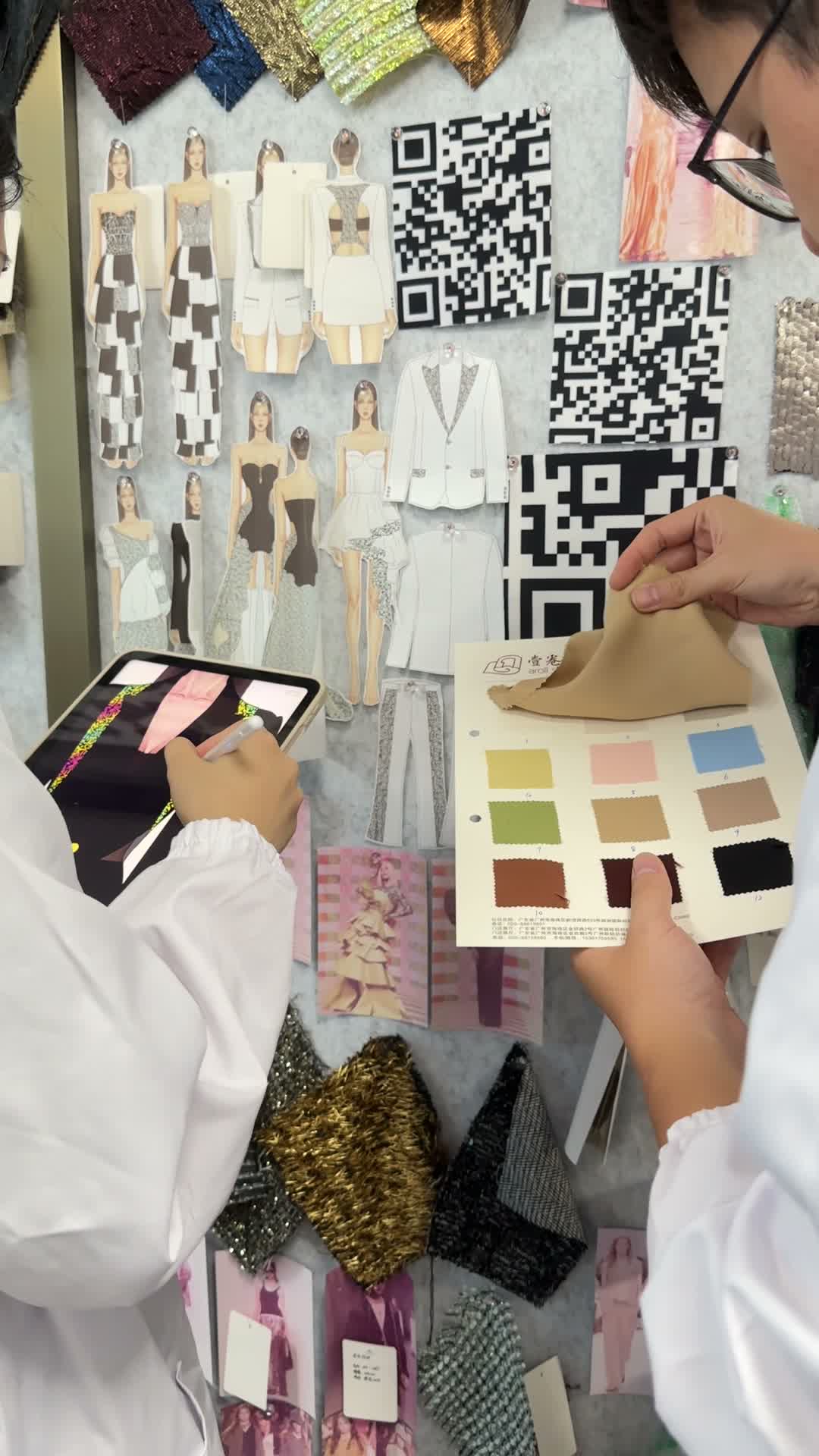
Every roll we receive gets a lot card. Mill name, article number, colour, metres received, date in, invoice number. Four minutes per roll.
A 30-piece silk dress might use six rolls from two lots. If one lot turns out a shade off, the card is how we find the four dresses made from it instead of re-checking all thirty.
Record two: composition and the test that proves it
Composition on a label is a legal claim, not a description. We keep the mill's fibre-content report and the shrinkage figure we measured ourselves after a wash.
The two numbers rarely agree, and the mill's number is always the kinder one. We quote the one we measured.
If a passport asks for recycled content, this is the record that either supports the claim or quietly kills it. Ask for the transaction certificate, not the logo on the selvedge.
Record three: dye lot, process and the water question
Dye lot is easy. Water and energy per metre is not. Most dyehouses here will not hand a brand a per-lot water figure, and we will not make one up to fill a field.
What we can pass on is the dyehouse name, the process used (piece dyed, yarn dyed or garment dyed) and whether that mill holds a current certificate for the article.
That is thinner than the regulation will eventually want. It is also true, which matters more in 2026 than a complete-looking spreadsheet.
Record four: the cut ticket and the roll map
Our cut ticket lists the marker, the lay, the number of plies, and which roll each panel came from. Thirty pieces produce one ticket and one page.
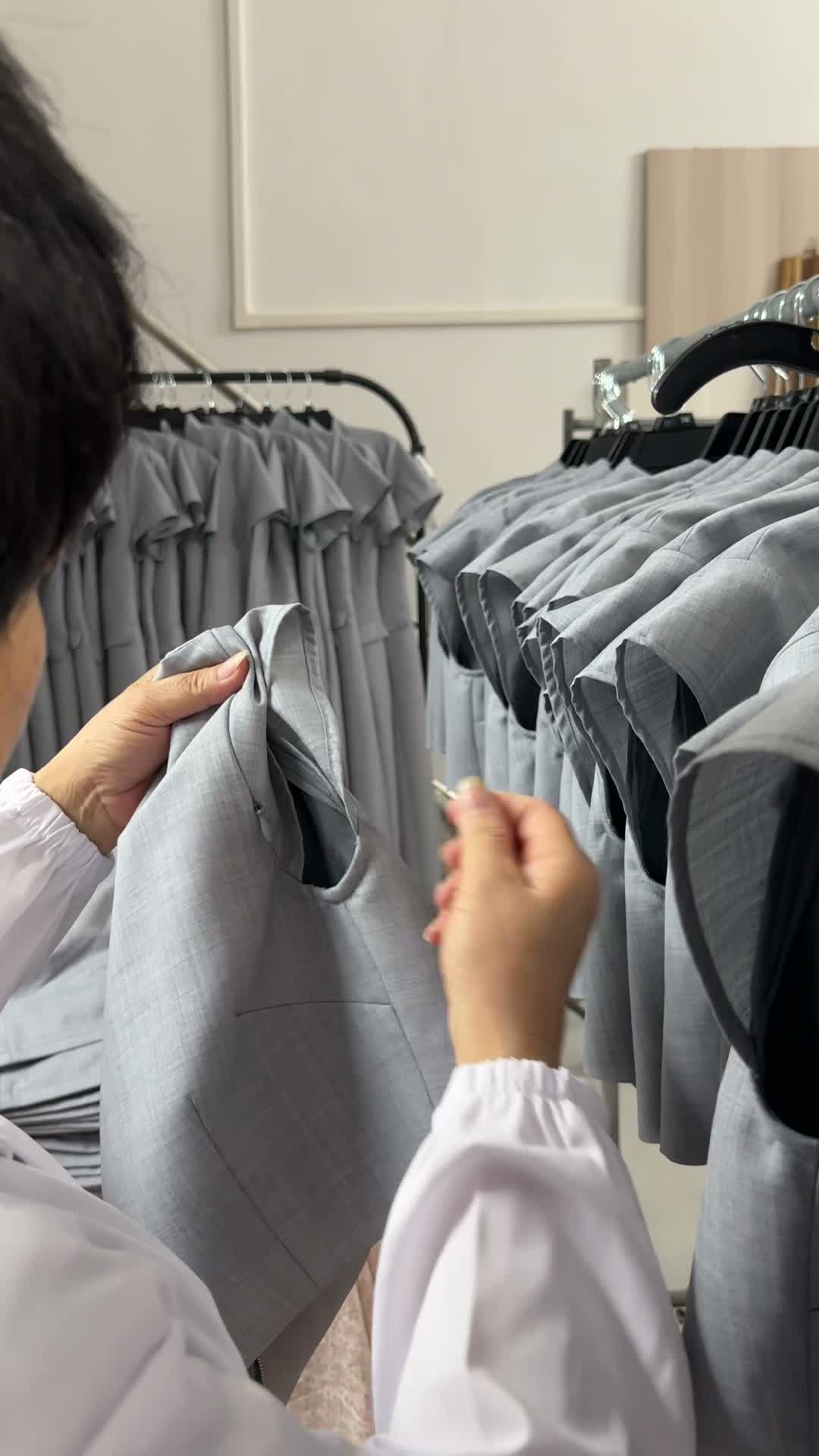
This is the record that makes a recall possible. If a roll turns out to have a flaw through the middle, the ticket tells us which four garments to pull rather than which thirty.
It is also the record a passport will lean on hardest, because it links a physical garment to a physical roll.
Record five: trims, hardware and where the metal came from
Zips, buttons, hooks and labels are the weakest link in almost every traceability chain we see. A brand can name its fabric mill and have no idea who made the button.
We record supplier, article, nickel-release status and batch on the trim card. On a 30-piece run that list is short, usually four suppliers.
Ask for it. A factory that cannot name its button supplier cannot answer a passport query in 2028, however good its fabric story is.
Record six: who sewed it, on which line, for how long
Each bundle carries the line number, the operator code and the minutes booked against the style. We keep those for three years.
This is also the record that answers a blunter question: did the work stay in the building? A blank line number is an answer in itself.
Why 30 pieces is easier to document than 3,000
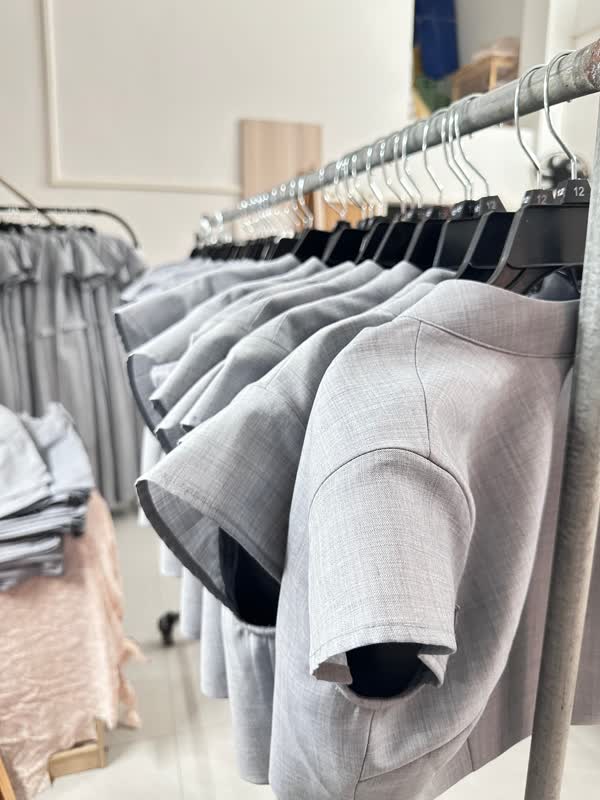
A small run has fewer rolls, fewer dye lots and fewer people touching each garment. A typical 30-piece order here involves two cutters, one line and four trims suppliers.
Documenting that is a morning's work. Documenting 3,000 pieces across three subcontractors is a project with a budget and a consultant.
New brands often assume compliance will be harder for them than for a big label. On traceability the opposite is usually true, and nobody has told them.
Where we fall short, and will say so on a call
We cannot give a carbon figure per garment. We do not have water data from most dyehouses. We have no third-party social audit for the two workshops that handle hotfix and embroidery.
We can name those workshops, describe the work they do and say how often we visit. We cannot dress it up as a certified supply chain, because it is not one.
Three of the six records above were built for production, not for a passport. That is exactly why they are reliable.
Digital product passport for a small brand: 4 questions to ask now
Put these in writing to any supplier you are considering, and keep the reply.
- Can you give me the mill name and lot number for every roll on this order?
- Do you keep a cut ticket that maps each panel back to a roll?
- Can you name the supplier and batch for every trim, including the button?
- Will you keep these records for five years, and send them if I ask in 2031?
A factory that answers all four is ready whenever the rulebook lands. One that answers two is not, and no certificate changes that arithmetic.
Our own quoting pack lists what we hold at 30 pieces, which you can see in the high end production program. The MOQ and lead-time answers sit in the FAQ, and three recent runs are written up on the cases page.
Our A1 assistant is still in training and coming online later this year. One of its first jobs will be pulling these six records into a single sheet per order, because right now a person does it by hand.
Go deeper: the five green claims you can actually test · the 4-point fabric intake check that starts the record · how panels get numbered before cutting
Questions we get about this
Do I need a digital product passport to sell in the EU right now?
No. The Ecodesign for Sustainable Products Regulation came into force in July 2024, but the detailed rulebook for apparel is still being drafted. The earliest dates we hear discussed are 2027 with a transition after that. Anyone selling you a certified passport today is selling a logo.
Can a 30-piece order produce passport data?
Yes, and more accurately than a large run. Fewer rolls, fewer dye lots and one cut ticket per order. The work is a morning for us, not a project, because the records already exist for production reasons.
Quick Take
6. Records we already keep per order, none of them written for compliance.
3 years. How long line records and cut tickets stay in our office.
2 gaps. Water per metre and a carbon figure. We will not invent either.
About UP Fashion
UP Fashion is a Guangzhou garment manufacturer founded in 2016, run by a team with 20+ years of OEM experience in silk, viscose and tailoring. We quote from 30 pieces, show the rate we used, and inspect three times before shipping.