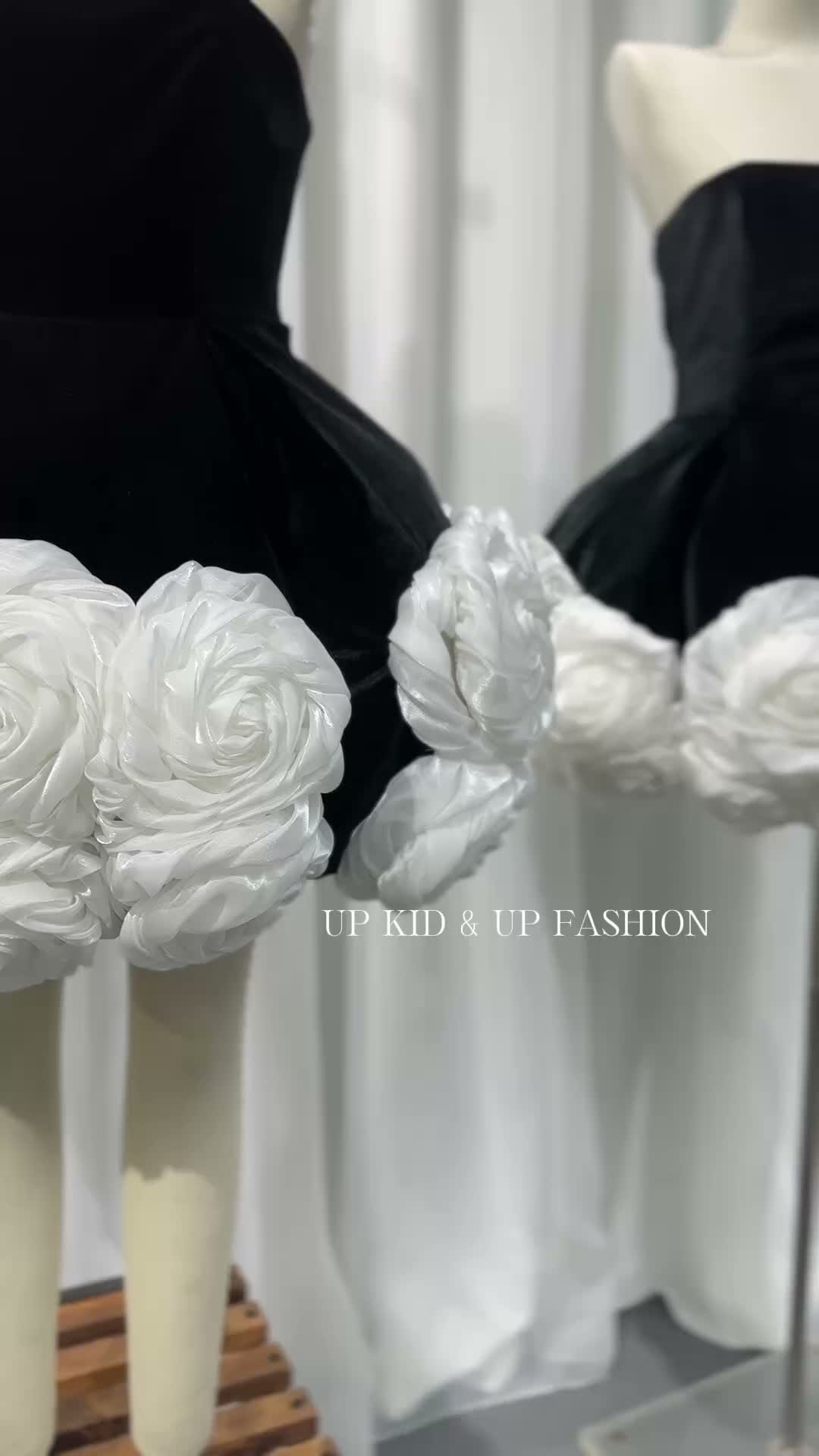
A high end clothing manufacturer cannot price a style from two photographs, and the ten questions below are why. What do you actually need to send before a factory can quote? Style count, pieces per style, fabric source, a tech pack or a physical sample, and a delivery date. That is the minimum, and most brands can assemble it in an hour.
Why does one factory answer in three days while another takes nine? Not the speed of the work. The fast quote came from a brief that answered the ten things below, and the slow one is still waiting on a fabric width. We quote in three to four working days when the brief is complete, and we will not put a number on paper before that.
What a factory needs before it can quote a small order
Every question below exists because a wrong answer moves the price by more than 10 per cent. None of them is about design taste.
- How many styles, and how many pieces each. Three styles at 30 pieces is 90 garments but three pattern sets, three sample rounds and three cutting setups. One style at 90 pieces is a different quote for the same money.
- Fabric: who buys it, and what it is. Composition, weight in GSM, width in centimetres. If we buy, we need to know whether it sits in stock or has to be woven, because that is a 7 day or a 30 day difference.
- A tech pack, or a sample we can measure. A measurement chart in centimetres is worth more than a mood board. Without either we are guessing, and guesses come back as rework.
- Target FOB and target retail. A retail price of $250 to $1,000 usually means an FOB of roughly 12 to 18 per cent of it. Give us the retail figure and we will say what has to come out of the garment.
- Trims that are not standard. Custom buttons, engraved hardware and woven labels carry their own minimums, often 500 to 1,000 pieces, and 10 to 20 days of lead time.
- Size range. Five sizes means five patterns and one grading run. One size means a sample, not a range, and we price it as such.
- Labels and market. Care label language, fibre percentages and the country you sell into. A US label and an EU label are not the same document.
- A delivery window, with a week number. "Spring" cannot be booked. A week number lets us check capacity before we promise anything.
- Payment terms. Our standard is 30 per cent with the order and 70 per cent before shipment. A brand that needs something else should say so at quoting, not at loading.
- Who approves. One name. A decision split between a founder, a designer and an investor is the most reliable way to lose two weeks.
Fabric and trim answers that move a clothing quotation
Fabric is the line that decides whether a quote is firm. Roughly 60 per cent of the first enquiries we receive cannot name a composition, a weight or a width, and each missing number widens the range we have to quote.
A 100 per cent viscose at 120 GSM and 145 cm wide is a different garment from the same fibre at 180 GSM. The heavier one eats more metres per piece, presses differently and needs a different needle. We will quote both, but the choice belongs before the deposit, not after the first mock-up.
Trim minimums are the quiet cost. A custom metal button at 1,000 pieces is cheaper per unit than a stock button at 30, and the leftover 970 sit in your storage, not ours. On a 30-piece run we usually recommend stock trims and put the money into fabric.
Size range, grading and the cost nobody asks about
Grading is the step brands forget to budget. A base pattern in one size is inside our sample cost; a five-size range adds about $60 per style in grading, plus a fitting round if the block has never been graded.
That number is small next to a bad grade. If the hip increment is wrong, the size 14 pulls at the pocket and no amount of pressing brings it back. We ask for your size chart, not only your measurements, because the increment is the design decision.
Delivery window and market: the question brands answer last
We ask for a date because capacity is booked, not free. A 30-piece style takes 18 to 25 days from approved sample to packed cartons, and the cutting room fills first from March to June and from September to November.
The market matters for a second reason. A brand selling into the EU needs fibre composition in the language of the member state it ships to, and that label has a print lead time which runs beside sewing, not after it.
The 2022 quote we got wrong by 31 per cent
In 2022 a client sent two photographs of a slip dress and a retail target of $320. We quoted 40 pieces without a tech pack, assuming 1.9 metres of fabric per dress.
Real consumption on 140 cm viscose was 2.6 metres, because the bias cut and the print repeat would not nest. The quote was 31 per cent low. We honoured it and the run cost us $1,340.
We now decline to quote from photographs. Send a sketch with measurements and we quote with a written assumption, which is honest and revisable.
How to send a brief that gets a firm number back
One page is enough. Sketch, measurement chart, fabric name or swatch, trim list, size range, units per style, market and target date. Ten lines, and the quote comes back with a rate and an assumption list.
The assumption list is the part to read. It says what we priced and what we did not, and it is where a quote either holds for 30 days or falls apart in week three.
A1, the sourcing agent we have in training, is being taught to ask these ten questions before a person does. Until it goes live, the fastest route is still a complete brief.
Our high end production standards explain what changes above 30 pieces, the case studies show a brief turning into a quote, and the FAQ answers what happens when fabric arrives after the pattern is cut.
Go deeper: why "best manufacturer" searches fail · why three factories quote three prices · what a tech pack must contain
Questions we get about this
Can you quote from a photo?
No, and a factory that does is pricing a guess. Send a sketch with three measurements, bust, waist, length, and we will quote with the assumption written down.
How long does a quote take?
Two working days when the ten answers are in. Without a fabric weight or a measurement chart we send a range instead of a number, and a range cannot carry a season.
Quick Take
Ten answers, one page. A complete brief buys a 48-hour quote. An incomplete one buys a range.
Fabric decides the number. About 60 per cent of first enquiries cannot name a weight or a width.
Photographs are not a spec. Our 2022 estimate was 31 per cent low and we absorbed $1,340.
About UP Fashion
UP Fashion is a Guangzhou garment manufacturer founded in 2016, run by a team with 20+ years of OEM experience in silk, viscose and embroidery. We quote from 30 pieces, show the rate we used, and inspect three times before shipping.





