Sampling two factories at once feels like due diligence. On a first run it usually behaves like a tax, and the bill arrives in weeks rather than in dollars. As a small batch clothing manufacturer we are often one of the two, and we can see the cost a brand is running up while it decides.
Is a two-factory sample comparison worth it? Above roughly 300 pieces, or across four or more styles, yes. On a 30-piece first order it usually costs more than the price gap it uncovers, and it delays the one thing that matters, which is selling something.
What a two-factory comparison costs, line by line
Two pattern drafts at $60 to $120 each. Two samples at $90 to $200. Two couriers at $35 to $70. That is $370 to $780 before a single bulk piece is cut.
Then the calendar. Each sample takes 10 to 14 days including transit, and you cannot compare until both are on your table on the same afternoon. Add a week if either needs a second round.
So the real price of the decision is about $550 and five weeks. Write that number down before you start, because it is the number the comparison has to beat.
There is also a cost you cannot invoice: attention. Two samples means two sets of comments, two measurement charts to reconcile, and a fortnight in which nothing else in the collection moves forward.
How to compare two sample garments side by side
Lay both flat, same table, same light. Measure the same six points on each: bust, waist, hip, shoulder, armhole and length.
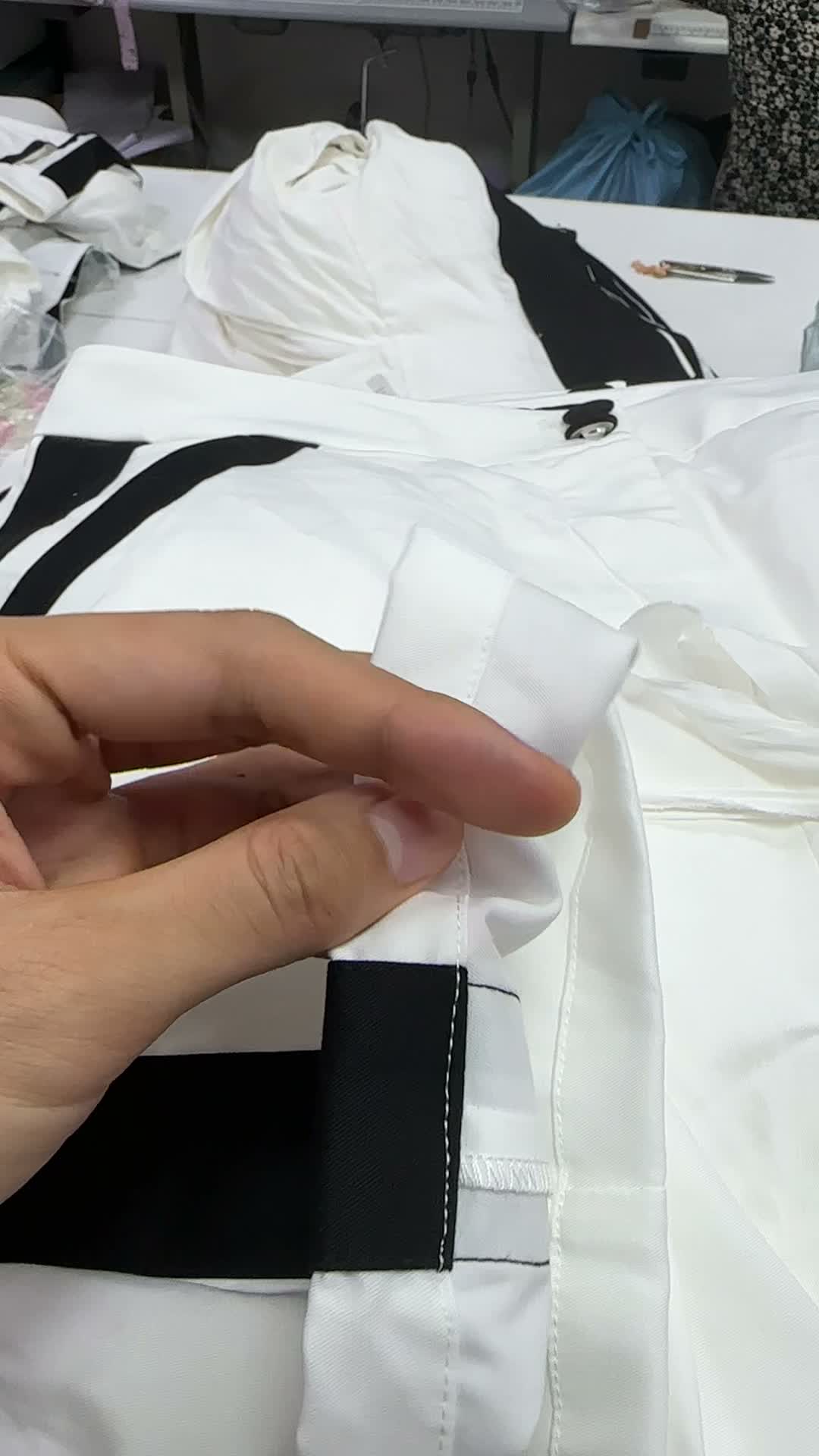
Then four construction checks. Seam allowance width on the inside, stitches per inch on the side seam, hem depth, and how the zip is set at the centre back.
Then the three that decide whether it sells. Shoulder line when hanging, armhole gape when an arm lifts, and how the hem falls after 24 hours on a hanger.
Nine checks, about 20 minutes. If one sample wins on measurements and loses on the armhole, you have learned something no quote sheet would have told you.
Same tech pack, same fabric, same size
The comparison is only valid if both factories worked from identical inputs. Same tech pack version, same fabric lot, same size, same trims.
Change the fabric and you are comparing cloth, not sewing. Change the size and you are comparing blocks. Both are useful tests. Neither is this test.
Send identical fabric to both, even if it means buying 10 metres twice. That costs $60 and removes the largest variable in the whole exercise.
The cost nobody prices: your tech pack in two inboxes
Two pattern makers will read the same tech pack differently. One drafts a 10 mm seam allowance, the other 12 mm, and neither of them is wrong.
That divergence is harmless while you are choosing. It gets expensive when you keep both factories warm and later send a reorder to the one that did not make the first run, because the pattern you approved lives in the other building.
There is a quieter question too. Ask both, in writing, that the tech pack stays with their own pattern room and is not subcontracted to a third workshop. Most will confirm. Get it before you send, not after.
What a sample comparison cannot tell you
It cannot tell you whether a factory will hit a date in November. The sample room and the production line are different rooms on different schedules, and a good sample room covers for a weak line.
It cannot tell you how a factory behaves when something goes wrong, because a sample rarely goes wrong. The useful signal is how fast they answer a question about the sample, not how good the sample looks.
And it cannot tell you the price at 300 pieces, which is the number that decides whether the first run was a test or a business.
When parallel sampling pays for itself
Three cases. You are ordering 300 pieces or more, where a $2 gap is $600. You are placing four or more styles, where a factory that fails one construction fails all of them. Or you are buying a category you have never bought, and you genuinely cannot judge a sample without a second opinion.
Outside those, the better use of the money is a second mock-up round with the factory you already trust. Two rounds with one partner beats one round with two.
The 2021 comparison that saved $54
In 2021 a brand sampled three factories for a 30-piece viscose dress run. They spent $1,240 on patterns, samples and couriers, and five weeks of a short season.
They chose on a $1.80 per piece difference. On 30 pieces that is $54, against $1,240 spent to find it.
The sample they rejected was, by their own admission a year later, better finished at the armhole. We were the factory that lost that job, and we would have said the same thing at the time if anyone had asked us directly.
We have also lost a job the other way, to a factory whose sample was worse and whose quote was $3 cheaper. That brand came back a season later. The comparison had told them nothing about the thing that actually failed, which was communication.
The fix is not to skip sampling. It is to sample one factory properly, with two mock-up rounds, and spend the saved money on better fabric or a third colourway.
If you are still choosing between factories, our FAQ answers what buyers ask before a deposit, and the small batch program page lists exactly what a 30-piece run includes. The case studies show first runs we shipped at this size.
Go deeper: what a sample really costs · why three factories quote three prices · what a factory asks before it quotes
Questions we get about this
Should I get quotes from three factories even if I only sample one?
Yes. Quotes are cheap and they show how each factory reads the same tech pack. Sampling is the expensive step, so spend it once and spend it properly.
Can I use a sample from factory A as a reference for factory B?
You can, and it is a fair way to compare construction. Expect factory B to re-draft the pattern, because the measurements transfer and the pattern file does not.
Quick Take
$550 and five weeks. That is the price of the decision, not of the garment.
Nine checks, 20 minutes. Measurements first, armhole second, hem after 24 hours.
Sample once, properly. Two rounds with one partner beats one round with two.
About UP Fashion
UP Fashion is a Guangzhou garment manufacturer founded in 2016, run by a team with 20+ years of OEM experience in silk, viscose and embroidery. We quote from 30 pieces, show the rate we used, and inspect three times before shipping.





