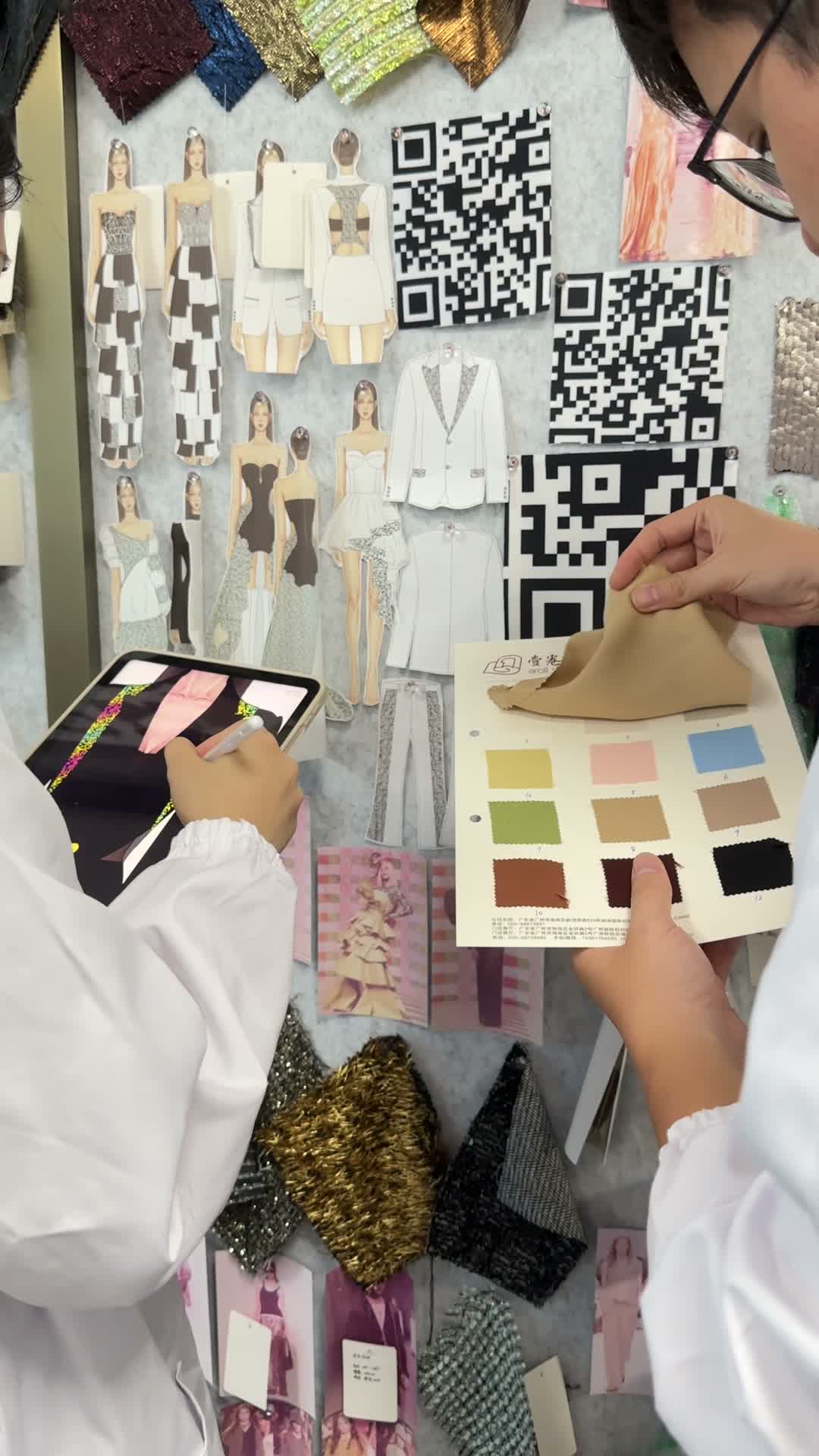
A small batch clothing manufacturer does not buy fabric whenever you call. We buy inside a window, and the window changes what you pay and what you can get. Plan a spring dress in October and you are early; plan it in March and you are competing with every other brand for the same roll.
So what actually changes between spring and fall? Three things: the mill calendar, the fabric weight the market wants, and how long a dye lot stays available. None of them are about your order size, and all of them can move your price by ten to twenty per cent.
Here is how we plan a small run around a season, and where clients lose money by ignoring it.
Why the same fabric costs more in one season
Mills run on their own rhythm. A mill that weaves linen for spring has it ready in winter and sells out by early spring. Ask for the same linen in June and you are buying from what is left, or paying for a fresh dye run at a minimum you cannot reach on thirty pieces.
Lightweight viscose and cotton blends follow the same curve. The cloth is cheapest when it is in season to weave, not when it is in season to sell.
The mill calendar nobody shares
Chinese mills close for Spring Festival, and many shut a week around National Day in early October. A dye house that normally takes seven days can take three weeks across the holiday.
If you need spring fabric, we book it in November or December. If you need fall fabric, we book it in May or June. Anything later and you are asking a mill to squeeze you into a queue that is already full.
Ask your factory when they place their fabric orders, not just when they need the cloth. A factory that buys late is a factory that will be late.
Spring versus fall: what changes in the cloth
Spring and summer styles lean light: 90 to 130 grams per square metre for a slip dress, cotton poplin around 110, viscose challis near 120. Fall styles lean heavier: crepe and suiting at 180 to 260, and structured skirts that need body.
Heavier cloth behaves differently in the marker and in the making. It shrinks less in the wash but presses slower, so the finishing room takes longer. That is a lead-time fact, not just a price one.
We quote the weight and the tolerance together, because a "light viscose" means nothing without a number and a plus or minus five per cent.
How we plan a 30-piece order around a season
Thirty pieces needs roughly 100 to 120 metres, depending on the style. That is below most dyed-to-order minimums, which sit around 300 metres, so on a first run we usually buy stock fabric rather than dye our own.
Stock fabric is cheaper and faster, but it comes in the colours and weights the mill already runs. If your brand colour is unusual, you either accept the closest stock shade or you pay for a dye lot and shelve the extra metres.
Either way, we confirm the fabric before we confirm the delivery date. A date set before the cloth is locked is a guess.
Dye lots and the cost of waiting
Every dye lot is slightly different. If you buy thirty metres now and thirty next season, the two may not match side by side. Delta E is the number that measures it, and a gap of 1.5 is often visible on a rail.
So we plan a season's styles on one lot where we can. Two styles, one fabric, one lot, and the leftover from the first feeds the second.
A season we got wrong
In 2022 a client asked for a summer capsule in April. We said yes and bought stock viscose left over from the spring weave. It arrived two shades deeper than the swatch, because the swatch had come from an earlier lot.
We remade the sample twice and lost nine days. Now we photograph the actual roll we will cut, and we send the lot number before we lay a single piece.
What to lock before you order
Lock four things: the fabric and its weight, the lot, the price per metre, and the season you intend to sell in. Everything else can move.
If you want to see how we handle fabric minimums on small runs, the small batch program explains the numbers. The case studies page lists runs by season and fabric, and the FAQ page covers the sourcing questions we hear most.
The production process page shows where fabric is received, tested and stored.
Go deeper: how fabric weight in GSM decides drape · how a small brand buys 100 metres · what happens to the fabric you do not use
Questions we get about this
How early should I plan fabric for a spring collection?
Book it in November or December, about three months before you need it cut. That is when mills weave spring weights and stock colours are widest, so you are buying choice, not leftovers.
Can you hold fabric from one season to the next?
Yes, free for twelve months if we sourced it, tagged with the style, colour and lot. Just remember a new lot next season may not match, so plan the second style on the same roll where you can.
Quick Take
Buy the season, not the deadline. Spring cloth is booked in winter, fall cloth in early summer.
Weight changes lead time. Heavier cloth presses slower, so the finishing room runs longer.
One lot, many styles. Splitting a season across dye lots is how two runs stop matching on the rail.
About UP Fashion
UP Fashion is a Guangzhou garment manufacturer founded in 2016, run by a team with 20+ years of OEM experience in silk, viscose and embroidery. We source and store fabric for small runs, quote from 30 pieces, and inspect three times before shipping.





